A Practical Review of the Nacho Average Mom Embroidery Design
As someone who spends a good portion of their day evaluating embroidery files for real projects, I’ve learned to look beyond the cute name and the marketing image. The ‘Nacho Average Mom’ retro SVG designs immediately caught my eye, and I wanted to consider it from a purely practical standpoint: how would this actually perform when the needle hits the fabric?
The First Impression: Retro Charm with a Modern Punch
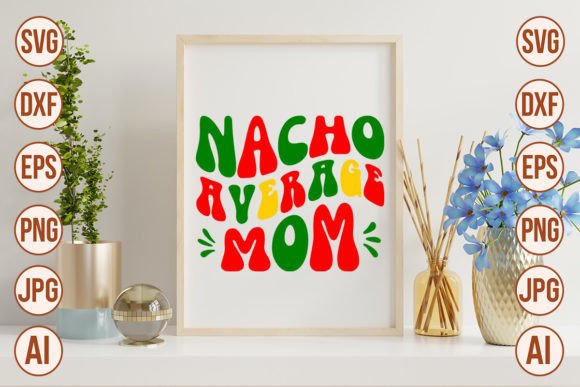
The design’s personality is its strongest asset. It’s playful, nostalgic, and carries a confident, fun-loving mood that feels instantly giftable. The layout and typography choices suggest a design built for visual clarity. The phrase itself is a conversation starter, and in embroidery, that translates to a product people will remember and engage with. The detail level appears balanced—not overly dense, which is a relief for stitch economy and fabric integrity, but with enough stylistic flair to feel professional and finished.
Where This Design Naturally Belongs
I immediately pictured this on a cozy, high-quality sweatshirt. The retro vibe pairs perfectly with a soft cotton fleece, creating a premium handmade product feel. But its application is broader. Imagine a custom tote bag for a mom who carries everything. A tea towel in a kitchen that needs a smile. A simple, elegant patch on a denim jacket. It’s also a strong candidate for baby items—think a lovingly embroidered blanket or a little onesie, turning a practical garment into a cherished keepsake.
For small business owners and Etsy sellers, this design is a versatile asset. It can anchor a line of holiday gifts, like personalized Mother’s Day aprons or pillow covers. It adds a recognizable, friendly touch to boutique merchandise. For apparel decorators, it’s a ready-made design for a popular sentiment, saving hours of custom drawing.
Navigating the Real-Life Embroidery Situation
Let’s walk through a typical scenario: you’re preparing a custom embroidered tote bag as a gift. You’ve loaded the file. The layered SVG structure is a benefit here, allowing for easy color separation if you’re planning multiple thread colors or an applique approach. The high-quality EPS file is crucial for scaling without loss, ensuring the design looks sharp whether it’s 3 inches wide on a cap or 8 inches wide on that tote.
The true test is on the fabric. On a sturdy canvas tote, the stitches should lay cleanly. The design’s personality will pop, making the finished product look thoughtfully crafted, not just mass-produced. This builds customer trust and elevates the perceived value of your work. For a digital product seller, this clean result is perfect for creating realistic printable mockups that show buyers exactly what they’re getting.
Careful Application: A Designer’s Notes
While versatile, some situations require a thoughtful pause. The small details, particularly in any lettering, mean you must be cautious with very small hoop sizes. On a curved surface like a cap, test the placement to ensure the design sits flat visually. On textured or stretchy fabrics like some sweatshirt materials, a good stabilizer is non-negotiable to maintain stitch clarity.
Dark fabric backgrounds require a smart thread color strategy—high contrast is key for the design’s retro charm to remain visible. For products destined for frequent washing, like kitchen towels or baby clothes, consider a slightly reduced stitch density in fill areas to enhance durability. Always, always test on scrap fabric first. This reveals how the design handles your specific thread and machine combination.
Impact on Your Business and Craft
Using a well-executed design file like this affects more than just the stitch. It enhances your professionalism. When a client receives a beautifully embroidered pillow with this design, the consistency and clarity speak to your skill. It boosts giftability—it feels personal and special. For your brand, if you’re building a line of similar retro-themed items, it contributes to a cohesive, recognizable collection that engages buyers.
It’s also a commercial embroidery project contender. Its clear, layered files and scalable nature make it suitable for larger runs, provided licensing permits. For craft fair products, it’s an eye-catching, quick-to-explain item that often sells itself based on sentiment alone.
Practical Steps Before You Stitch
My final advice before you run this machine embroidery design is pragmatic. Check your thread color contrast against your intended fabric. Review the stitch density in your software preview. Confirm your hoop size can accommodate the design with room for clean edges. Inspect the small details in the file on your screen—are there any tiny corners or accents that might need a slight adjustment for your machine?
Test the design in simple black and white mockups to judge its form. Compare how it might look on both light and dark fabric backgrounds to plan your projects. Crucially, confirm the licensing terms before selling finished items or digital products. The product description states it’s a digital download with SVG and EPS files, but the specifics of commercial use are not listed here—you must verify that independently.
In the world of crafts and graphics, a file is just a starting point. The ‘Nacho Average Mom’ retro designs provide a strong, charming, and technically sound starting point for a wide array of embroidery projects. Its real value is realized when it’s stitched with care onto something tangible, transforming a digital asset into a heartfelt handmade product or a profitable small shop item. Approach it with a tester’s mindset and a creator’s vision, and it should serve your projects well.