You're My Favorite Mom Ever: A Designer's Review
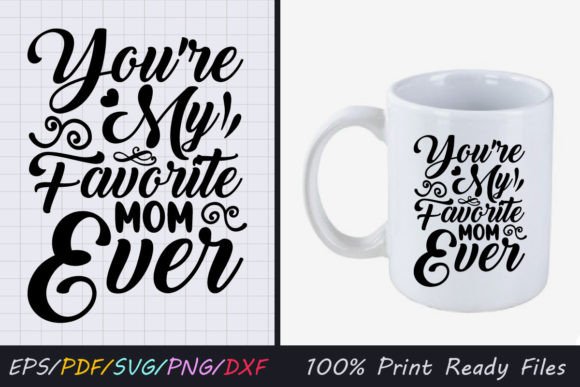
As a designer who spends more time with embroidery hoops than coffee cups, I approach every new file with a practical eye. When I saw the “You're My Favorite Mom Ever” SVG, I didn't just look at it as a graphic. I immediately started picturing it stitched out—how it would feel on fabric, what kind of project it would elevate, and whether it would resonate with real customers. This isn't about listing features; it's about translating a digital design into a tangible, heartfelt product.
The Immediate Emotional Pull
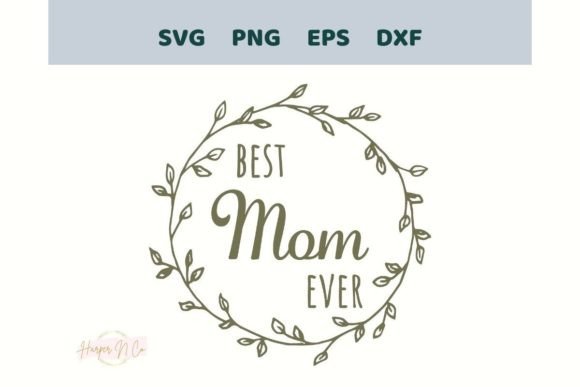
The first thing that strikes you about this design is its mood. It’s warm, personal, and undeniably sweet without being overly ornate. The layout and typography feel classic and approachable, suggesting a handmade touch rather than a mass-produced feel. This visual personality is its greatest asset. It doesn’t scream; it speaks softly, making it perfect for projects where the sentiment is the star—a custom gift, a boutique baby item, a cozy home decor piece.
Where This Design Naturally Belongs
I imagined a real scenario: a client asking for a custom Mother’s Day gift. They wanted something for a tote bag their mom uses every day, something durable but filled with love. This design clicked instantly. It’s scalable, clear, and carries an emotional message that transforms a simple bag into a cherished keepsake.
Beyond totes, this embroidery file naturally fits a range of projects that benefit from its sincere tone:
- Custom apparel: Think the center of a soft sweatshirt or the cuff of a baby’s knit sweater.
- Home accents: Stitched onto a pillow cover for a nursery or delicately embroidered on a kitchen towel.
- Personalized gifts: As a framed patch or appliqué on a holiday apron.
- Small shop merchandise: For an Etsy seller focusing on mother-child themes, this could become a core, repeatable design for tea towels or blanket corners.
The beauty here is versatility. Because the design isn’t overly detailed or context-specific, it can move from a baby’s onesie to a canvas cap without losing its core appeal. That’s valuable for craft business owners looking for design assets that can span multiple product lines.
Considering Stitching Clarity and Product Value
In embroidery, a clean digital file is only half the battle. The real test is how it stitches out. For “You're My Favorite Mom Ever,” the simplicity is a practical advantage. Clean lettering and a straightforward shape mean good stitching clarity—no tiny, frustrating details that might pucker or require constant thread changes. This translates directly to product value: a neat, professional-looking finish that builds customer trust and reinforces a handmade presentation as high-quality.
For apparel decorators and creative entrepreneurs, this matters. A well-executed, clear design on a gift item feels professional and giftable. It suggests care was taken, which engages buyers more than a generic, cluttered graphic. It also aids brand consistency for a small shop; you could use this same warm, clean style across different products, creating a recognizable aesthetic.
The Practical Ground: Where to Use It Carefully
Confidence comes from knowing a design’s limits, not just its strengths. Here’s where I’d advise some careful consideration before loading the hoop.
- Small hoop sizes: If you’re planning a very small rendition, test the lettering on scrap first. Even clean fonts can blur if scaled down too much on certain machines.
- Textured or stretchy fabrics: On thin knits or loosely woven towels, the stitch density needs to be appropriate. A denser satin stitch fill might distort, so using a proper stabilizer is non-negotiable.
- Dark fabric backgrounds: Always check thread color contrast. What looks good in a white digital mockup might need a brighter or layered thread choice on a dark hoodie.
- Curved surfaces: Embroidering this on a cap? The design’s layout is generally forgiving, but always check the orientation and placement in a mockup to ensure it sits well on the curve.
The description notes it’s for Crafts and Graphics, and indeed, it’s a versatile digital embroidery file. But for commercial embroidery or selling finished products, the crucial step is always confirming the specific licensing terms of the file before you proceed. Never assume.
Embroidery Designer Notes for a Smooth Project
Before I’d commit this to a client’s project or my own shop merchandise, my process would be:
- Test on scrap fabric: Use the same fabric and stabilizer combo as the final project. This reveals any issues with pull or density.
- Review in black and white mockups: This helps judge the form separately from color, ensuring the design’s structure is strong.
- Compare light and dark backgrounds: Does it hold its visual weight on both? Sometimes a slight outline adjustment in the file can make it more versatile.
- Consider the end-use: For items like baby clothes or pillows that need frequent washing, a robust stitch construction and quality thread will ensure longevity.
These steps turn a good graphic into a great finished product. They’re the difference between a hobbyist experiment and a professional, sellable piece.
Final Impression: A Design Built for Real Connection
“You're My Favorite Mom Ever” SVG isn’t a flashy, complex graphic. Its power is in its authenticity. It feels like something you’d genuinely stitch for someone you love. For makers, that emotional authenticity is a commercial asset. It creates products that people connect with—not just purchase, but cherish.
As a designer reviewing it for real project use, I see it as a reliable, sentiment-driven asset. It fits into the workflows of embroidery designers, small business owners, and crafters looking for designs that stitch out cleanly and resonate deeply. Whether you’re preparing a custom embroidered tote, a boutique baby blanket, or a series of holiday gifts, this design offers a clear path from digital file to heartfelt object. Just remember the golden rule: test, stabilize, and always know the license. Then, let the stitching tell the story.