Is Milk Chugs Mom Snugs a Smart Embroidery Choice?
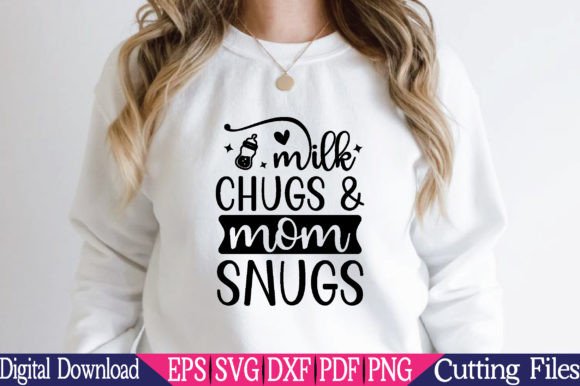
Whenever a new design hits my inbox, my first thought is always about the final stitch. I’m not just looking at it as a graphic on a screen; I’m picturing it on a hoop, threaded with color, and finally, on a finished product that someone will wear, use, or gift. Today, I’m thinking through the Milk Chugs Mom Snugs SVG, and whether it holds up for real embroidery projects.
The Warm, Welcoming First Impression
This design’s personality is its biggest asset. The playful typography and cozy sentiment immediately create a mood of affection and comfort. It’s not a loud, graphic statement; it’s a soft, heartfelt one. Visually, the layout feels balanced and welcoming, which tells me it belongs on items meant for personal connection. My mind goes straight to custom apparel meant for gifts: a soft sweatshirt for a new mom, a baby blanket, or a kitchen towel in a family home. It has that handmade, personal touch that elevates a simple product into a meaningful keepsake.
Where This Design Finds Its Home
In practical use, this design’s strength is its versatility across mediums, thanks to the included file formats. For embroidery specifically, I envision it shining on a few key products.
For small business merchandise or Etsy listings, an embroidered tote bag or apron with this phrase would resonate deeply. It turns a functional item into a story. On baby clothes or nursery decor, like a pillow cover, it adds that perfect personalized layer without being overly ornate.
As a holiday gift or wedding gift for a parent, a finely stitched version on a high-quality tea towel or blanket feels both thoughtful and professional. The design’s warmth translates directly into product value and giftability. For craft fair products, it’s a quick, recognizable design that customers can connect with emotionally, which is key for engagement.
Navigating the Stitching Reality
Now, for the embroidery machine. The sentiment is clear, but the execution needs forethought. The likely use of satin stitch for the lettering and fill stitch for any decorative elements means stitch density will be crucial.
On textured fabrics like a cozy sweatshirt or a thick blanket, you’ll need a robust stabilizer to keep those clean lines. On stretchy fabric or thin fabric like a t-shirt, consider a lighter weight design adjustment or perhaps turning it into an embroidered patch to apply later, ensuring durability.
I would be cautious with very small hoop sizes. The charm of the design lies in its readable, friendly lettering. Shrinking it too much for a cap or a baby bib might compromise that clarity, especially on curved surfaces. Always test on scrap fabric first, matching the final material’s texture and color.
Working with Light and Dark Backgrounds
A major practical note: thread color contrast is everything. On dark fabric, you’ll need bright, creamy whites or pastels to make the “milk” theme pop. On light backgrounds, richer colors can add depth. Before hooping your final product, run the design in a black and white mockup to check the silhouette and readability. This simple step saves so much time and thread.
Building Customer Trust with a Clean Finish
From a business angle, a well-embroidered version of this design builds immediate customer trust. It shows attention to detail. The clean, friendly outcome supports a handmade presentation that feels deliberate, not haphazard. For a craft business focusing on motherhood or family themes, it reinforces brand consistency.
For apparel decorators, it’s a design that asks for quality execution. The final stitching clarity on the lettering directly impacts professionalism. A fuzzy, dense stitch here would undermine the lighthearted mood. Proper setup and testing are non-negotiable.
A Designer’s Essential Checklist Before Hooping
Before you commit this to a client project or your next small shop product, run through these quick, real-world notes.
- Confirm the exact hoop size you’ll need by previewing the design at your intended output dimensions.
- Inspect any small details or corners in the design file that might become too fine or dense when stitched.
- Check whether the embroidery file is optimized for both personal and commercial projects. Confirm licensing before selling finished items, especially if you’re an Etsy seller or digital product seller creating printable mockups.
- Plan your thread colors around the product’s end-use. A baby item might call for softer hues, while a kitchen towel could handle brighter ones.
- Remember, this is a digital embroidery file. Its success on a physical finished product depends entirely on your machine settings and fabric choice.
The Final Judgment: A Design Worth the Thread
So, does Milk Chugs Mom Snugs SVG earn a spot in your project queue? From my perspective, absolutely—with careful planning. It’s not a complex, technical challenge, but an emotional one. Its value lies in translating that warm, snug feeling into tangible thread on fabric.
It’s perfect for the creative entrepreneur who wants to make products that feel like a hug. For embroidery designers and makers, it’s a straightforward, effective design asset for a clear niche. Just approach it with the same thoughtful care its message conveys. Test it, match it to the right product, and stitch it with intention. Then, you’ll have an embroidered project that truly lives up to its name.