Home is Where Mom Is: A Design Review for Embroidery Projects
As someone who designs and stitches professionally, I always look at a new embroidery file with a practical eye. I’m not just seeing the graphic; I’m imagining the threads, the fabric, and the finished product in a client’s hands. Today, I’m evaluating the Home is Where Mom is SVG PNG EPS bundle from that perspective. Let’s talk about how this design feels, how it stitches, and where it truly shines in real embroidery work.
The Warm, Welcoming First Impression
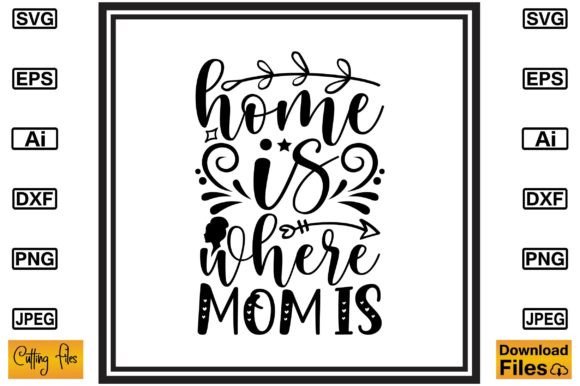
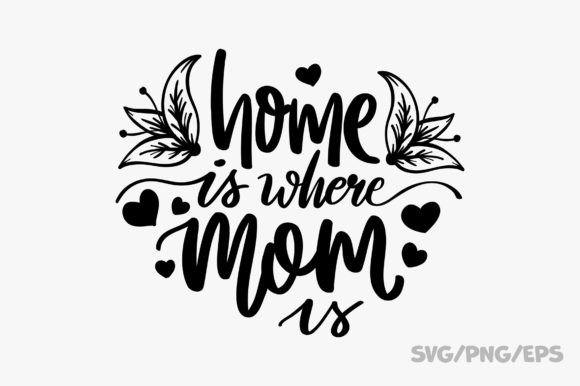
The heart of this design is its mood. It’s nostalgic, warm, and universally welcoming. The layout, often centered around the phrase “Home is Where Mom is” with accompanying illustrative elements, creates a visual personality that’s sentimental without being overly ornate. This is a huge plus for embroidery. A design with too many tiny details can become a muddy mess of stitches, but this one tends to balance its elements well. Its strength is its emotional clarity, which translates perfectly into a handmade product. You immediately think of cozy items: a pillow cover for a gift, a tea towel in a kitchen, or the centerpiece of a custom sweatshirt.
Putting It to the Hoop: Real-Life Embroidery Scenarios
I envision using this design for a custom embroidered tote bag for a Mother’s Day boutique order. The scenario is real: a customer wants a unique, heartfelt gift. The tote bag is a perfect canvas—substantial fabric, good for stitch definition, and a product that gets used and seen. This design, stitched in a rich, contrasting thread color on a natural canvas bag, would look exceptional. The sentiment would resonate deeply, elevating a simple bag into a cherished keepsake. This is the kind of embroidery project that builds customer trust and adds genuine value.
It’s equally suited for apparel decoration. Imagine it on the left chest of a soft cotton sweatshirt. The scale needs to be right—not too large to overwhelm, not too small to lose the message. On baby items, like a blanket corner or a little knit hat, it becomes a beautiful heirloom touch. For small business owners and Etsy sellers, this design can anchor a whole line of holiday gifts or personalized products. It’s giftable and professional, and it photographs well for online listings and printable mockups.
Where This Design Finds Its Best Home
- Custom Apparel & Gifts: Sweatshirts, t-shirts, and aprons where the sentiment adds personal value.
- Home Decor & Textiles: Pillow covers, kitchen towels, and simple wall hangings that benefit from a cozy theme.
- Boutique & Small Shop Merchandise: Tote bags, caps, and patches that sell well at craft fairs due to their emotional appeal.
- Digital Product Integration: For sellers of digital embroidery files themselves, it’s a strong, relatable design asset for commercial embroidery projects.
Practical Considerations for Stitching Success
While the mood is right, the practical embroidery designer’s mind kicks in. This is where you think about the stitch. The design’s success hinges on execution. On textured fabrics like a loose-weave towel, the stitch density needs to be sufficient to prevent the design from looking sparse. On stretchy fabric like a cap, you’ll need proper stabilizer to maintain the shape of the lettering and avoid puckering. Dark fabric demands careful thread color choice for maximum contrast and clarity.
The lettering, depending on the specific file’s rendering, is the key area. Tiny, intricate script can be challenging. It requires a careful test on scrap fabric first to ensure the running stitches or satin stitches that form the words are clean and readable. For a design centered on a phrase, clarity is everything. A muddled “Mom” undermines the entire piece.
Embroidery Designer Notes for This Project
- Always test on scrap fabric first, matching the final project’s texture and color.
- Review stitch density in your software; adjust if areas seem too dense for thin fabrics or too sparse for textured backgrounds.
- Confirm your hoop size can accommodate the design at your desired scale, especially for curved surfaces like caps.
- Inspect small details in the embroidery file; complex corners or decorative accents may need manual adjustment.
- Check thread color contrast by viewing the design in black and white mockups to judge value difference.
- Use the appropriate stabilizer for your fabric type to ensure crisp results, especially on stretchy or lightweight materials.
- Before selling finished items, confirm the licensing provided with the files. The description notes suitability for many creative projects, but clear commercial use terms are essential for craft businesses and digital product sellers.
Enhancing Value and Engagement
When stitched well, this design does more than decorate a product. It enhances the product’s story. A handmade presentation feels complete and intentional. For a creative entrepreneur, using a design with such a clear, positive message strengthens brand consistency if your shop focuses on heartfelt, family-oriented goods. It increases giftability and recognition—people see the item and instantly understand its purpose. This direct emotional engagement is what turns a simple embroidered piece into a sought-after product.
For apparel decorators and those making patches, it’s a design that speaks quietly but effectively. It doesn’t shout; it invites. That’s a powerful quality for embroidery, where the texture of the stitch already adds a layer of subtlety. On a baby item, it’s tender. On a holiday gift apron, it’s nostalgic. On a tote bag for a small shop, it’s marketable. Your customer’s reaction will likely be a smile, a memory, or a connection—the exact reactions we aim for in this craft.
Final Thoughts on Real Project Use
The Home is Where Mom is SVG PNG EPS bundle, from a designer’s point of view, is a versatile and emotionally resonant starting point. Its true test is in the hoop, on the fabric, and under the needle. Its provided formats, like SVG and PNG, are standard for machine embroidery design preparation, but as always, verify the exact specifications, compatibility with your system, and license for your intended use before starting a client project or listing a finished product. Approach it with the practical steps outlined above: test, adjust, and stitch with confidence. When you do, you’ll likely find it becomes a reliable, beloved part of your embroidery project repertoire, perfect for turning a blank fabric into a story told in thread.