An Honest Designer Review of the Boy Mom Retro-SVG Design
The First Look: A Nostalgic & Heartfelt Mood
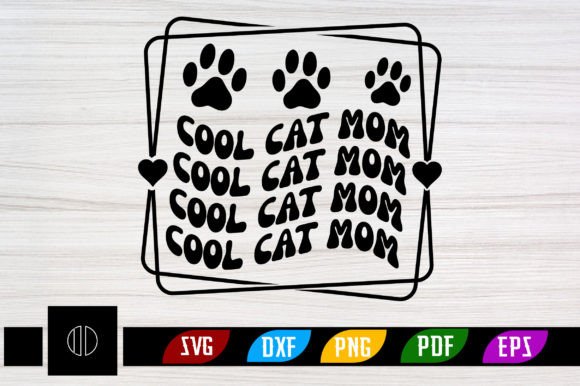
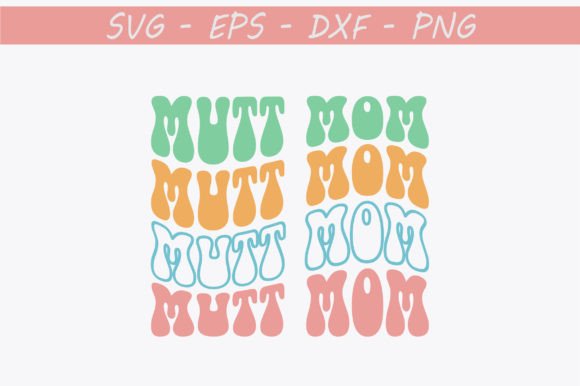
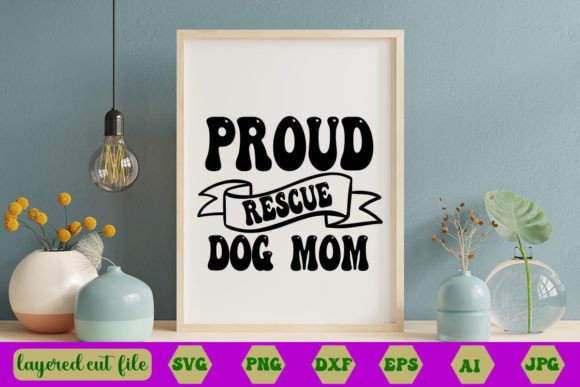
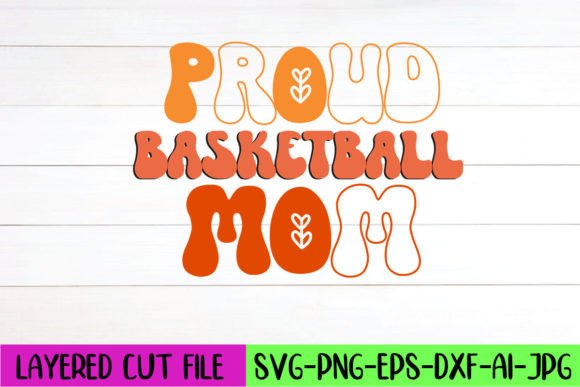
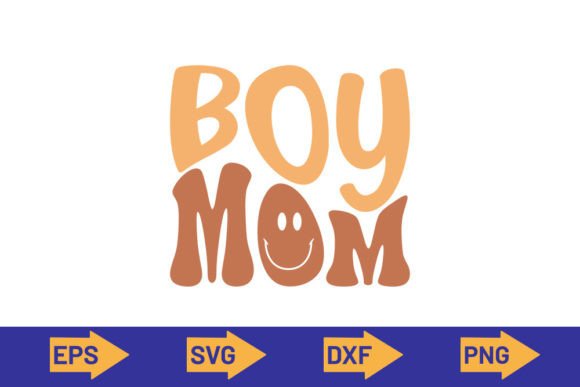
When I first opened the Boy Mom Retro-SVG Design, the immediate feeling was a warm, nostalgic charm. It’s not just a phrase slapped into a shape; the layout and typography carry a genuine retro personality. The curves and spacing of the lettering, combined with the supporting graphic elements, create a balanced, inviting composition. It feels celebratory and personal, not generic. This design doesn’t scream; it warmly declares. For an embroidery project, that mood is crucial. It translates into a piece that feels like a handmade statement, not a mass-produced logo.
The Perfect Project Match: Where This Design Belongs
My mind immediately went to a custom embroidered sweatshirt or a cozy baby blanket. Imagine a client who wants a gift for a new mother—something she can wear or wrap her child in that speaks directly to that unique “boy mom” joy. This design is perfectly suited for that. It’s also a strong contender for a canvas tote bag a mom could use daily, or a neat embroidered patch applied to a backpack. The scale and detail level suggest it would be excellent as a central motif on a pillow cover for a nursery or a decorative kitchen towel in a family home. Its friendly, clean aesthetic makes it a prime candidate for small business merchandise, like items in a boutique focusing on modern motherhood or gifts for craft fair products.
Visual Appeal & Customer Trust in Finished Products
Using a design with this coherent retro personality elevates the perceived value of the handmade product. When stitching is clean and the design’s intent is clear, it builds immediate customer trust. A buyer seeing this on a sweatshirt in an Etsy listing recognizes thoughtfulness. It feels professional and specific, which boosts engagement. For a personalized gift, this resonance is everything—it looks like you chose it with care, not just picked a random file. That giftability factor is high.
Navigating Real Embroidery: Performance & Practicalities
In practical stitching scenarios, the design’s structure, being built from vector shapes, is a significant advantage. Resizing for different projects—from a large tote bag design to a smaller cap or baby clothes embroidery—should maintain integrity. However, the true test is in the stitch conversion.
For machine embroidery, the clarity of the lettering and any finer decorative accents will depend on your digitizing settings. On a standard cotton sweatshirt or a sturdy apron fabric, with proper stabilizer, I anticipate this would stitch out with lovely definition. The potential for multiple thread colors mentioned allows for playful customization, maybe using bold primary colors for the retro feel or softer pastels for a baby item.
Where to Exercise Caution
This design requires careful consideration on a few fronts. On very small hoop sizes, the details in the lettering and shapes could become too dense, losing clarity. I would avoid stitching it onto overly textured fabrics like loose knits or very thin fabric without extensive stabilization testing, as the stitch density might cause puckering. Stretchy fabric also poses a challenge for any design with filled areas. Applying it to curved surfaces like caps requires expert hooping and potentially adjusting the design layout.
For dark fabric, the thread color contrast is paramount. You’ll need to choose bold, light threads or consider a layering technique to ensure the retro vibe isn’t lost on a dark background. Always, always test the design on scrap fabric first, using the same material and stabilizer as your final project.
Designer Notes for a Successful Project
Before committing this to a client’s project or your own craft business inventory, here’s my practical checklist.
- Run a test stitch, even a small section, to review the actual stitch density and the behavior of any small corners or connections.
- Check thread color contrast by viewing the design in simple black and white mockups to understand its silhouette.
- Compare how it looks on both light and dark fabric backgrounds digitally before choosing threads.
- Confirm hoop size compatibility for your specific machine and project intention. Don’t assume it will shrink perfectly to a 3-inch hoop without losing legibility.
- Inspect the provided files—the EPS, SVG, PNG, DXF—in your software to ensure the paths are clean for your digitizing process if you’re converting for embroidery.
- Most critically, confirm licensing before selling finished items or using it in commercial embroidery projects. The description notes it’s made from vector shapes and is high-quality print ready, but you must verify the terms for selling physical products made with it or using it in digital product previews.
The Bigger Picture: Brand Consistency & Professionalism
For small shop owners and creative entrepreneurs, a design like this can become part of a cohesive brand. If your shop focuses on motherhood, family, or nostalgic themes, using this across products—from embroidered patches to printable mockups for your listings—creates a recognizable style. That consistency signals professionalism to your buyers. It tells them you have a curated aesthetic, not a random assortment of graphics.
Final Judgment: A Design With Heart & Utility
The Boy Mom Retro-SVG Design stands out as a crafts asset with both emotional resonance and practical utility. It’s not merely a graphic; it’s a style statement ready for transformation into a tangible, stitched piece. It naturally fits into the world of personalized gifts and custom apparel. With mindful application—respecting fabric choices, testing thoroughly, and ensuring proper licensing for commercial use—this design can become a reliable, appealing part of your embroidery repertoire. It has the personality to connect with customers and the structural promise to stitch out beautifully, making the journey from digital file to finished product a rewarding one for any maker.