A Designer's Review of Best Cat Mom Retro SVG
First Impression: Nostalgia Meets Feline Charm
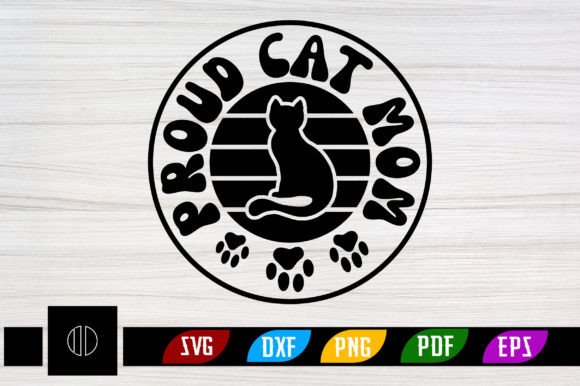
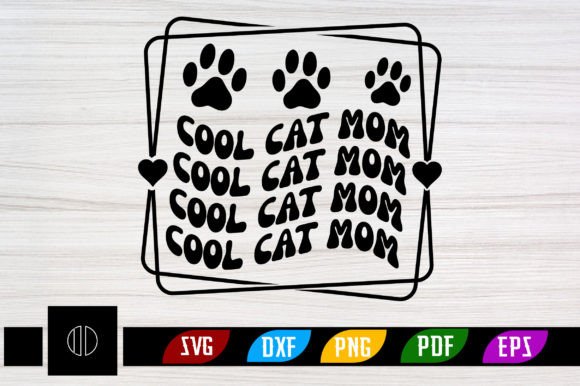
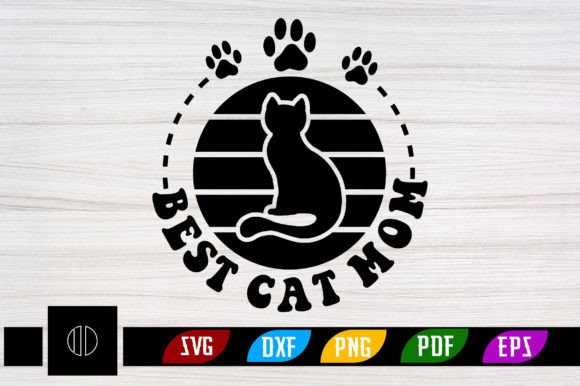
Opening the Best Cat Mom Retro SVG design, the immediate feeling is one of warm, cheerful nostalgia. The retro typography, likely with those rounded, playful letterforms, paired with a classic cat motif, creates a personality that’s both sweet and confidently stylish. This isn’t a generic cat design; it’s a statement. It feels like it belongs on a kitchen towel in a cozy home, or the front of a comfortably worn sweatshirt. The layout, assuming a balanced arrangement of text and illustration, promises good visual weight—something that translates beautifully into a machine embroidery design. The detail level appears intentional; it likely avoids overly intricate lines that could become muddled in stitching, focusing instead on clear shapes that will read well from a distance. This is a design with visual personality, and that personality is pure, welcoming charm.
The Natural Habitat for This Design
This design feels destined for projects where personality is the product. Imagine a custom embroidered tote bag for a friend who proudly runs a small cat rescue. Or a soft, embroidered patch appliquéd onto a baby’s nursery blanket. Its mood is gift-oriented. I can immediately see it on an apron for a “cat mom” who loves baking, or as the central motif on a pillow cover in a boutique selling handmade home decor. For an Etsy seller specializing in personalized gifts, this embroidery file is a ready-made asset for creating heartfelt, recognizable merchandise. It wouldn’t feel out of place on a tea towel or a cap, either—its retro vibe has that versatility.
Performance in Real-World Embroidery Projects
Let’s walk through a real scenario. You’re preparing a custom embroidered sweatshirt for a client’s birthday gift. You’ve hooped a medium-weight cotton blend, chosen a quality stabilizer, and loaded this Best Cat Mom Retro SVG, converted now to your embroidery machine’s format. The success here hinges on clarity. The retro lettering needs to maintain its character when rendered in satin stitch or a clean fill stitch. On a dark fabric, like navy or black, you’d plan for possibly adding a lighter underlay or ensuring your thread color contrast is high—a bright white or pastel would pop beautifully. On a light fabric, it’s a straightforward joy.
For a small business owner creating tote bag designs, this embroidery file offers consistency. It’s a design that customers will recognize and connect with, enhancing your brand’s appeal as a source for niche, thoughtful products. In a craft fair setting, an embroidered apron with this design would draw smiles and immediate engagement. It’s approachable. For commercial embroidery projects, like a series of kitchen towels for a boutique, its handmade presentation adds significant value over a plain printed graphic.
Where This Design Requires Careful Handling
While charming, any design with text and illustration needs practical consideration. If the SVG includes small details within the cat motif or particularly thin strokes in the typography, these areas demand attention on textured fabrics like linen or on stretchy fabrics like t-shirt cotton. A dense stitch area in a small element could cause puckering without the right stabilizer. Embroidering it on curved surfaces, like a cap, requires testing to ensure the layout doesn’t distort. Tiny lettering, if present, might need simplification to remain legible after stitching. Products destined for frequent washing, like baby clothes or kitchen items, benefit from a robust stitch structure—checking stitch density in the conversion process is key.
Dark fabric backgrounds are a classic challenge. This design, with its likely light-hearted theme, would traditionally use lighter threads. On a dark garment, you must test to ensure the fill stitches are solid and opaque, preventing the background fabric from showing through and dulling the cheerful mood. Always, test first on a scrap of your intended fabric.
Impact on Appeal, Value, and Trust
From a designer’s perspective, using this design well elevates the final product. Its clarity in stitching directly affects customer trust—a clean, professional embroidered result signals quality craftsmanship. For a creative entrepreneur, it’s a design that enhances giftability; it feels personal without being overly specific. Its recognition factor is high; “cat mom” is a beloved identifier, and the retro style gives it a unique twist that avoids cliché. This builds buyer engagement. When someone sees this on a handmade product, they don’t just see a graphic; they see a sentiment, which is the core of a successful craft business item.
Brand consistency for a small shop focusing on pet-themed or nostalgic goods is easier with such a strong foundational design asset. It can anchor a line of products—from apparel to decor—creating a cohesive look. In printable mockups for your digital product listings, or in photos of your finished embroidery project, its visual personality helps sell the idea before the needle ever touches the fabric.
Essential Designer Notes Before Hooping
My practical embroidery designer checklist for a design like this always includes:
- Convert and test the embroidery file on scrap fabric first, mimicking your final project’s conditions.
- Check thread color contrast not just on screen, but with actual thread rolls against your fabric.
- Review the stitch density in your machine software; adjust if areas seem too dense for your fabric weight.
- Confirm the physical hoop size needed. Does the design fit comfortably in a common size like 4x4 or 5x7?
- Inspect small details in a preview. Are there any corners or junctions that might require a manual trim or a stitch type adjustment?
- Test the design concept in black and white mockups to judge its form independent of color.
- Compare how it would look on both light and dark fabric backgrounds. Plan your stabilizer strategy accordingly.
- Use a proper stabilizer. For woven projects like tote bags, a cut-away might be best; for stretchy sweatshirts, a tear-away with care.
- Most crucially: check the licensing terms provided with your purchase. The product description notes this is a digital download for graphics. Before selling finished items or using this in commercial embroidery projects for clients, you must confirm the license permits commercial use of the finished product. This is a fundamental step for any professional or business.
Remember, you received one SVG file and one DXF file. These are for cutting machines like Cricut or Silhouette, which can be used to create applique templates or other preparatory work. For machine embroidery, you will need to convert this vector graphic into an appropriate embroidery file format using your software. This conversion step is where you’ll define the stitch types—satin stitch for text, fill stitch for the cat figure, perhaps a running stitch for outlines. That process is your opportunity to optimize the design for flawless stitching.
Final Realistic Assessment
The Best Cat Mom Retro SVG design, from a crafts and graphics standpoint, is a strong starting point. Its mood is universally appealing, and its visual composition suggests it will translate well into a stitched format. It naturally belongs to projects where warmth and personality are paramount: personalized gifts, custom apparel for a specific audience, and small shop merchandise with a heartfelt angle. Its value lies in that emotional connection. As a professional, I would approach it with the standard practical precautions—testing, adjusting for fabric, and verifying licensing—but I would be confident in its potential to create a beautiful, engaging embroidered product that feels both handmade and professionally executed. In the right hoop, on the right project, it’s going to shine.